
Piston Machining.
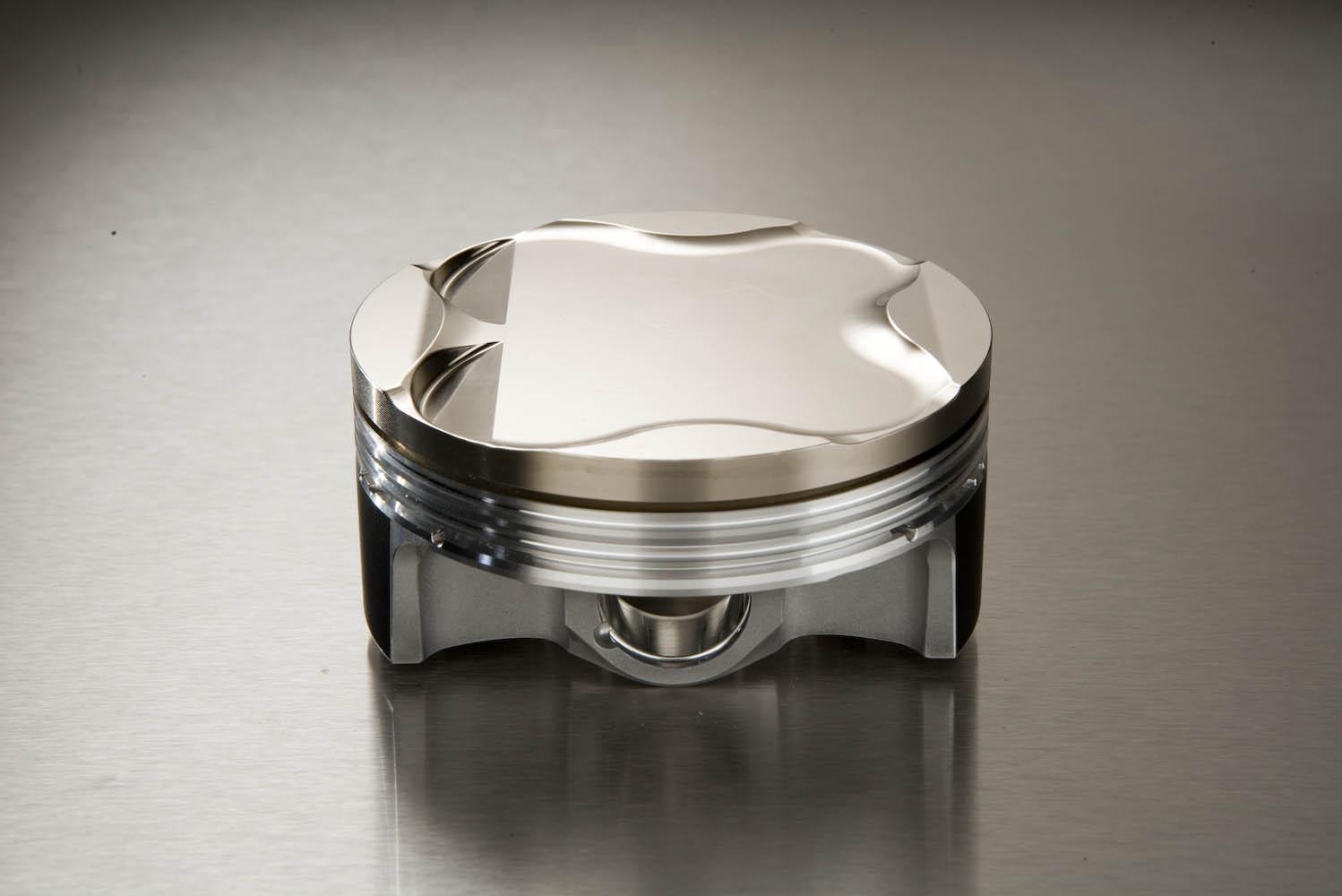
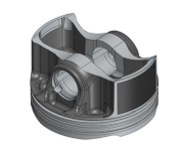
For over 20 years capricorn Automotive Ltd has been at the leading edge of forged and billet machined piston design and manufacture. Utilising the very latest in material developments, advancements in design, and the latest in machining technology we help our customers, the leaders in motorsport, and automotive to stay ahead of their competition.
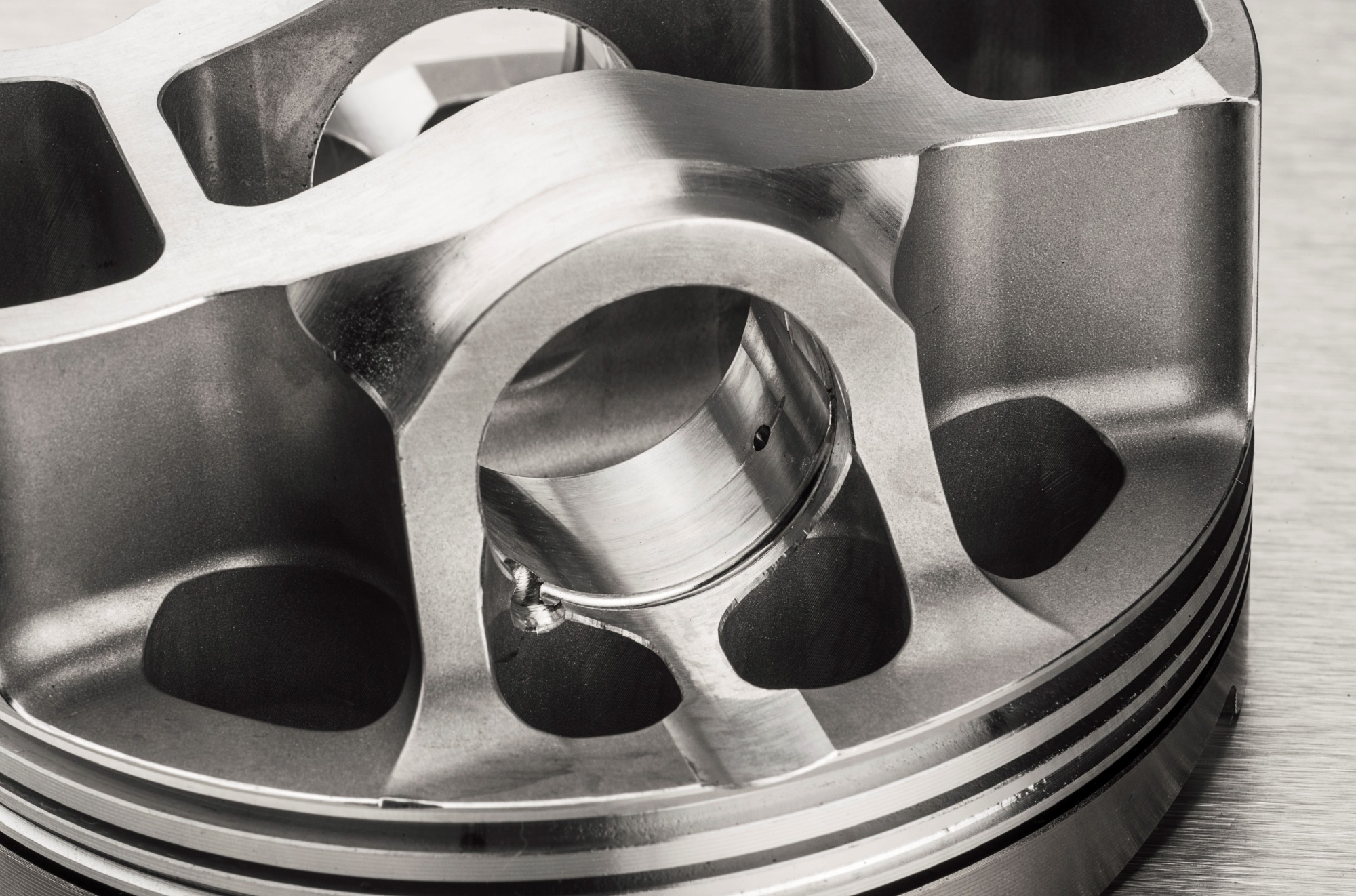
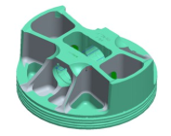
Specialising in high specific loads, lowest mass and lowest friction all of our pistons are optimised using the latest FEA analysis and combined with extensive experience ranging from 350barg+ diesel through to 250barg+ gasoline engines.
Capabilities.
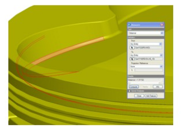
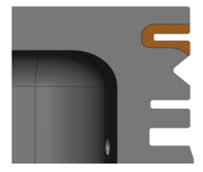
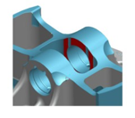
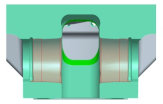
Utilising the latest CAD analysis software allows us to carry out finite element analysis as well as thermal expansion analysis using COSMOS, SolidWorks and ProEngineer software.
Our in-house ISO-thermal precision closed die forge press along with our full heat-treatment capability gives us full control of the whole manufacture process. Optimised near-net forging design, production-intent routings, and bespoke gauging allow us to offer customers small to medium production volumes of up to 5,000.
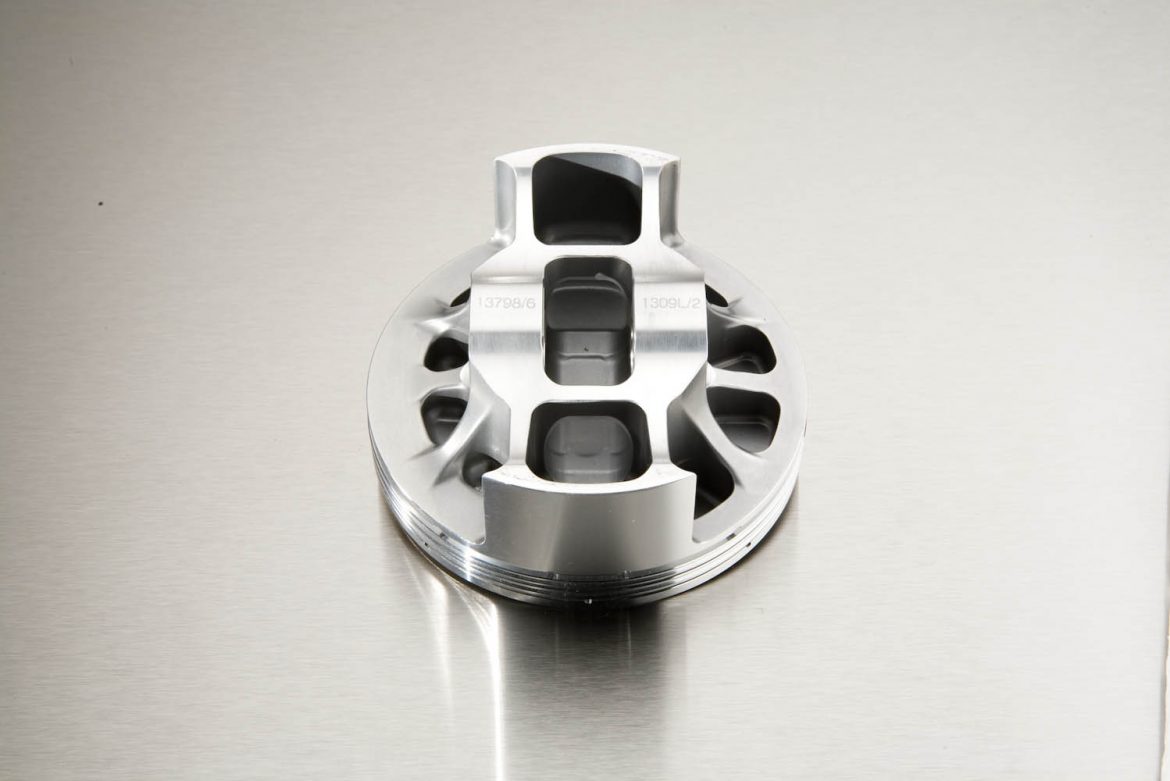
For customers like our OEM Prototype Departments who are working to tight timescales or have prototype or development requirements, billet machining allows us the flexibility to meet constantly changing design requirements and is the preferred route before investing in forge tooling.
Advanced Materials & Coatings.
We utilise the latest in material technologies dependent on application including 2618 for racing applications, 4032 common eutectic aluminium-silicon alloy and M245 a higher cost alloy with proven fatigue strength over 4032.
Specialist coatings such as anodised ring grooves to prevent micro-welding of piston rings, electroless nickel/PTFE applied to piston crowns to reflect heat, manganese phosphate, xylan, D88 or D10 skirt coatings all offer differing levels of anti-friction are all available.
Innovation.
Innovation needs impulse. That's why capricorn Automotive Ltd cultivates a long-term and trustful partnership with Loughborough University. This relationship has already provided fundamental insights into the latest remaining sector for significant performance enhancement - the origin of friction loss inside cylinders.